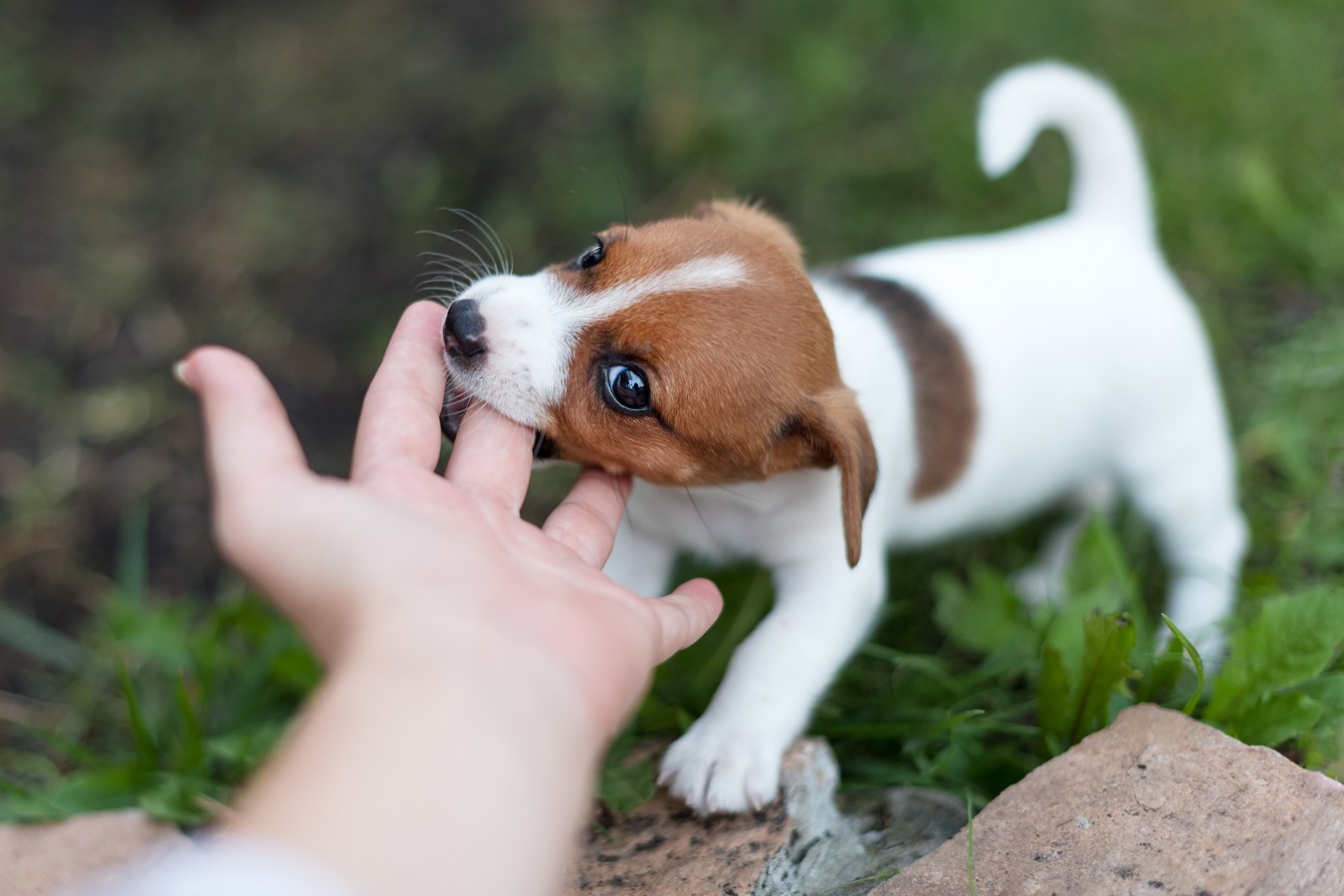
If you’re at your wits end dealing with aggressive puppy behavior, and you want to discover a faster, easier way to stop your puppy being aggressive in the shortest time possible… then this is the most important page you’re ever going to read.
Because in the next few minutes, I’m going to tell you exactly WHY your puppy is aggressive, but I’m also going to reveal PROVEN, battle-tested techniques to train your puppy to stop being aggressive in just minutes a day… even if you don’t know the first thing about dog training.
I know… because I’ve done it.
Thousands of others have done it.
And I’m going to show you EXACTLY how you can do it without wasting hours training your puppy or spending thousands of dollars.
But first, who am I and why should you listen to me?
Before we get into all the exciting details, I should probably introduce myself and explain why I’m uniquely qualified to show you how to train your puppy.
My name is Dan Evans… but I’m better known as “The Online Dog Coach”.
I’m a bit of a dog training enthusiast. Or as I like to say… a dog psychology nerd.
Since 2019, I’ve helped over 50,000 dog owners from all over the globe transform their dog’s behavior.
I’ve also partnered with some of the most reputable dog trainers in the world including Dr Alexa Diaz from K9 Training Institute, and Dan Abdelnoor from The Online Dog Trainer.
But enough about me.
I just wanted to show you I’ve been around the block a few times and have figured out some stuff about dog training.
What I’m here to share with you today is…
How You Can Stop Puppy Aggression In Just Minutes A Day Using 4 Secret Techniques Used By The World’s Top Service Dog Trainers…
So how are you going to train your puppy to stop being aggressive… without any dog training experience?
That’s easy. To train your puppy to stop being aggressive and get real results fast, you need to do 4 simple things you already do with your puppy slightly differently. And I promise that when you get these 4 steps right, it will transform your pup’s behavior almost instantly.
But here’s the problem…
Hiring a trainer to help you implement these techniques can be very expensive, and to be honest, you don’t really need to.
I’ll explain how in a minute. First, let me talk about WHY your puppy seems to be so hard to train…
See, the reason you are having so much difficulty training your pup is that you’ve been training them the outdated way.
It’s not your fault though. The fault really lies with all the bad dog training information that’s out there on the Internet and elsewhere.
Most people start training their puppy using verbal cues or commands like SIT, STAY, etc. Because that’s what they have been taught to do by numerous books on dog training and by all the videos they’ve seen on the Internet.
Here’s the problem – that’s exactly how NOT to train a puppy!
Why?
Because the science of animal behavior says that starting your training using verbal cues sets your puppy up for failure.
Puppies that are trained only using verbal cues never get trained properly. Or at least, the training doesn’t last long.
So what’s the best way to train a puppy?
The science is very clear on this – puppies are best trained by using body language. Now, this doesn’t mean that you should never use verbal cues. What it means is that you should always START your pup’s training using body language. Later on, you can bring in a verbal cue to reinforce your pup’s training.
Let me give you an example of how this works…
One of the biggest mistakes most puppy owners make is that they don’t give their dogs work to do.
And this is one of the many reasons that certain dogs (ie. service dogs) are so well-behaved.
Now, by “job” or “work”, I don’t mean that a service dog is always doing something physical in nature.
Instead, what I mean is that when you give a service dog the hand signal for the DOWN cue for instance, here’s how the service dog would have been trained to think:
“My owner has now given me the job of lying down. So I will remain lying down here in this exact spot until my owner tells me to do something else because the job that my owner wants me to do for her now is to lie down.”
So unlike most “normal” dogs who think of DOWN as just a trick that they have to perform for a few seconds after which they can do whatever they feel like, service dogs think of DOWN as a serious job that they have to do with commitment, dedication, and purpose until they get their next job from their owner.
As you can imagine, it’s a dramatically different mindset!
And this mindset is the reason service dogs are so well-behaved, and so many “normal” dogs (even if they know cues like DOWN or SIT) are not.
The good news is that you can train your puppy to have the same mindset as a service dog as well.
And the best part is it’s not even that hard to accomplish.
That’s why instead of leaving you with this one quick tip and leaving you to figure out the rest. I want to give you something actionable that you can use RIGHT NOW to transform your pup’s behavior.
So with this in mind, I’d highly recommend taking a few minutes to check out K9ti.com.
K9ti runs a free online puppy training workshop that goes into extensive detail on the best practices and techniques to stop unwanted behaviors like aggression.
It’s presented by Alexa Diaz (one of the top service dog trainers in the U.S.) and Eric Presnall (host of the hit Animal Planet TV show “Who Let the Dogs Out”).
The techniques described in the workshop have been a complete game changer for myself and thousands of other frustrated owners who implemented the techniques inside this free workshop.
This is because for the first time (at least that I know of) anyone has revealed the secret techniques used by the service dog training industry to train service dogs.
The best part?
These techniques work on ANY dog… regardless of age or breed.
From small breeds like Pomeranians and Chihuahuas to large breeds like English Mastiffs and Great Danes.
Even puppies as young as 6 weeks old, and untrained adult dogs as old as 13 years, have been successfully trained using the techniques inside this free workshop.
It’s not a live workshop – it’s actually pre-recorded, which means that you can watch it as many times as you like.
However, while the workshop is free, I am not sure how long it’s going to stay that way, so I’d recommend checking it out while it’s still available.
So go ahead and click the link below, implement the techniques inside the free workshop, and get ready to watch your puppy transform before your very eyes.
Click Here To Watch The Free Workshop & Discover How To Finally Stop Your Pup’s Dangerous, Scary Aggression Problem… Using The Same Secrets The Pro’s Use To Train Service Dogs!
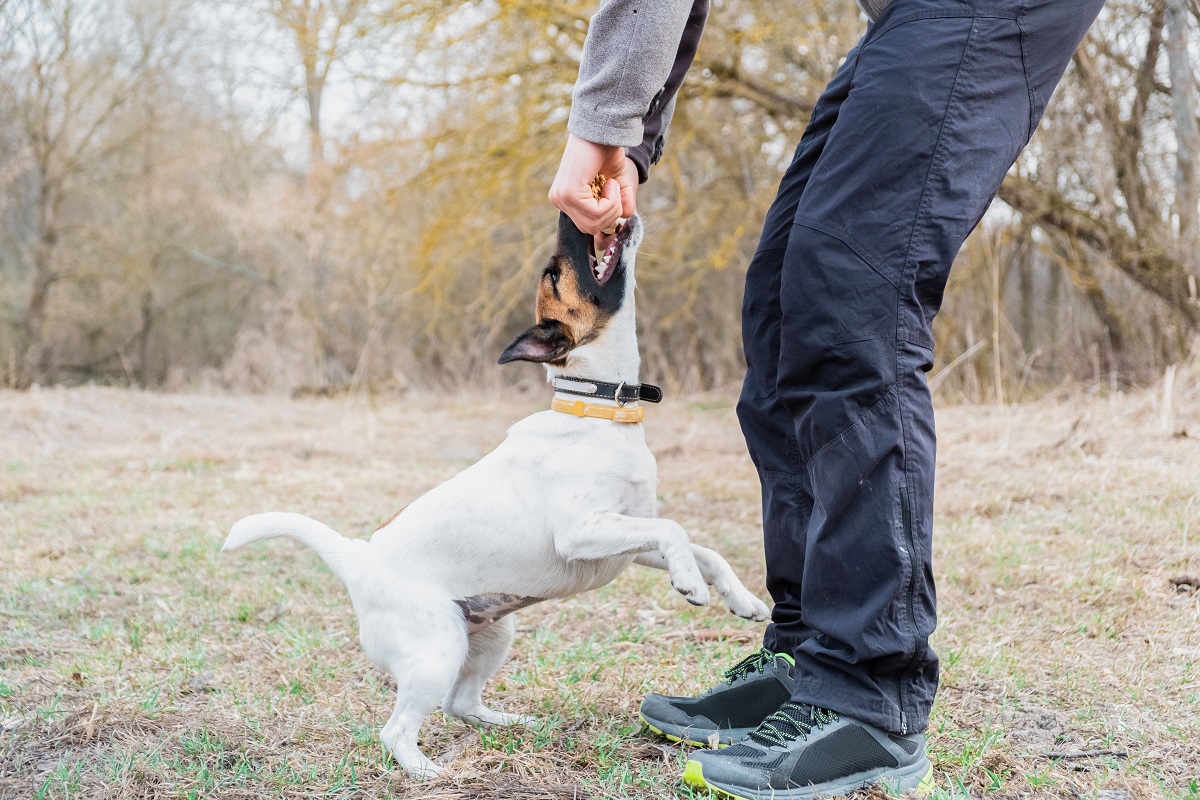
Why Is My Puppy So Aggressive?
In some ways, aggression is the most natural thing in the world.
Ultimately, it’s a form of expression.
While we express our negative emotions and thoughts by yelling or getting upset, dogs use other ways.
They growl they bark, they snap… they communicate.
The problem is, it’s a style of communication that’s not always appreciated. It’s especially not appreciated when it’s allowed to go unchecked.
And therein lies the problem.
The occasional growl or bark from your pup might be annoying, but depending on the circumstances, it’s not necessarily dangerous.
But a puppy that’s allowed to get away with could soon flip the script and eventually decide to go on the offensive. And that’s when the real problems start.
Even a puppy that never acts on certain aggressive behavior needs to be taught to stop. After all, a playful nip is one thing: a full-force bite is quite another.
The point here is that ALL aggressive behaviors need to be treated as equal.
Basically, it all needs to be discouraged.
That said, treating your puppy as an individual by figuring out the root cause of their behavior is going to be crucial in determining the right modification technique.
A puppy who becomes aggressive because they’re scared, for example, may need to be treated quite differently from a puppy who becomes aggressive because they’re protective.
Before jumping to the solution, take a moment to consider what could be motivating your pup’s behavior.
Some of the most common reasons include:
They Want to Play
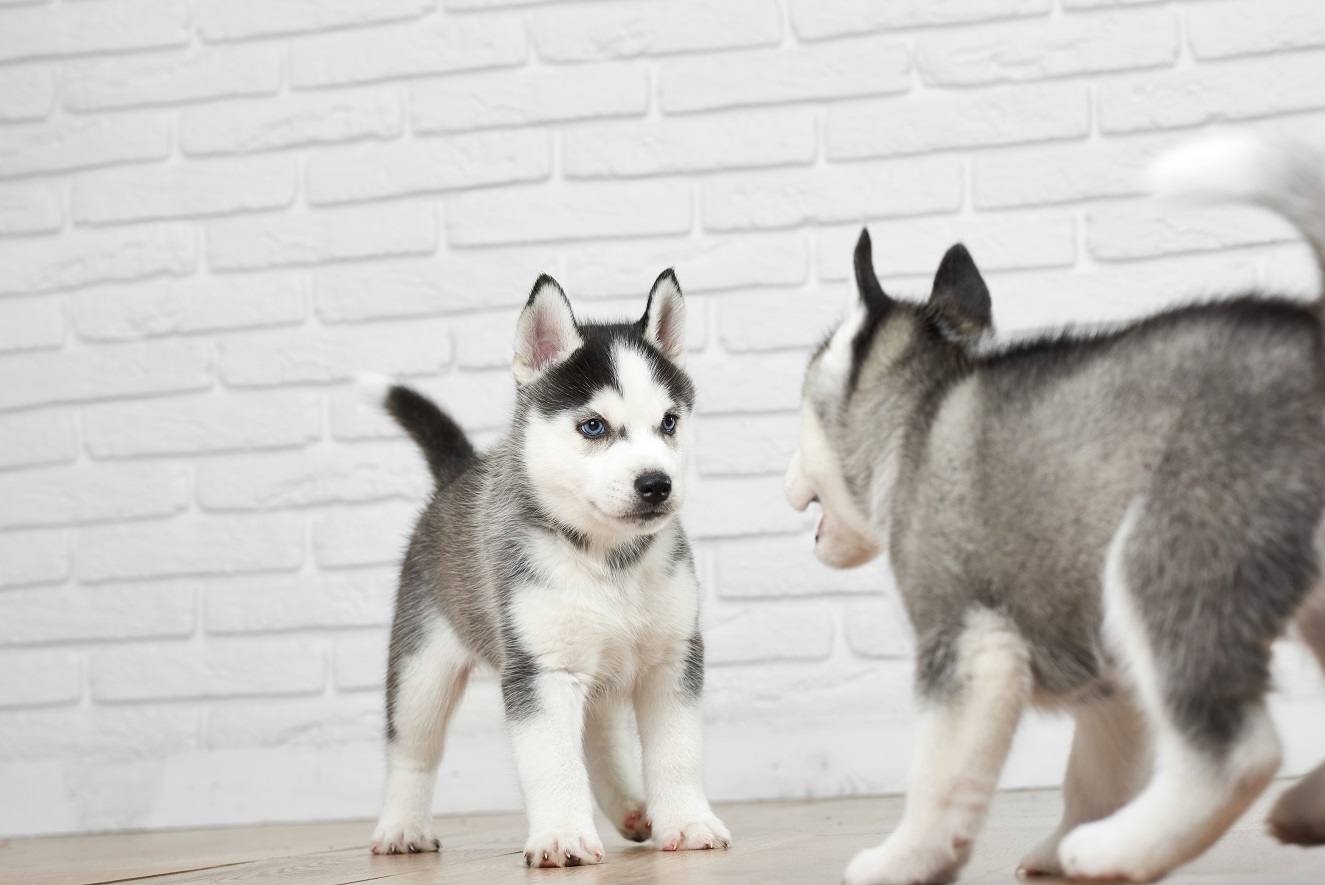
Puppies and dogs don’t want to be cuddled all day long. They want to play.
So if you do anything to suggest a game (stroke them, clap your knees as though initiating a game, etc.), up goes the energy and excitement.
And with this comes unpredictability and in some cases, unwanted aggression.
You need to keep in mind that what often starts as play can soon escalate into an unsafe level of aggression depending on your pup’s nature.
And once that fight or flight response kicks in, you’ll be hard pushed to dial things down and regain control of the situation.
They Haven’t Been Socialized
Sometimes, aggression could be a sign that they’ve not been properly socialized.
If dogs aren’t exposed to a wide variety of people, pets, and situations from an early age. They can become anxious or fearful around anything unfamiliar.
Unfortunately, fear and anxiety can often translate into displays of aggression.
The problem is particularly apparent in pups who’ve experienced abuse or traumas in the past. As well as dogs who’ve spent most of their lives being passed from one temporary home to another.
Once dogs like this find a ‘safe-haven,’ they may feel the need to defend it against threats.
They’re Possessive
All dogs are possessive to an extent (as are humans, when you think about it) but left unchecked, it can quickly develop into a problem.
While some puppies can get super possessive about high-value items like toys or food. Others can get possessive about people.
If your puppy thinks they ‘own’ you. They may become aggressive or display other undesirable behaviors at anyone who gets in between you and them.
It’s in Their Genes
Herding breeds like Corgis, Collies, and German Shepherds have a higher risk of aggression than other breeds.
The reason is simple enough. As working dogs, their function was to herd sheep and cattle. Nipping and biting at the heels of the animals was the easiest way of getting them to move.
That instinct is still there… even though it’s a lot less useful than they think it is.
It’s a Habit
It’s not uncommon for some owners to give in and just accept that aggression is part and parcel of being a puppy.
Eventually, they come to the conclusion that growling, barking, and other aggressive behavior is just part of the game.
Some owners may even be encouraging the behavior unknowingly.
To make matters worse, an untrained puppy often can’t tell the difference between what is and isn’t acceptable.
This is a huge problem, especially with larger, powerful breeds such as Rotties, Dobermans, German Shepherds to name a few.
This is also where the techniques discussed inside K9ti’s free online puppy training workshop really come in handy.
Not only will you learn how to stop unwanted aggression, but you’ll also discover simple, highly effective calming exercises to keep your pup’s emotions in check.
So if you haven’t had a chance to register for the workshop, here’s the link you need…
Click Here To Watch The Free Workshop & Discover How To Finally Stop Your Pup’s Dangerous, Scary Aggression Problem… Using The Same Secrets The Pro’s Use To Train Service Dogs!
How to Spot the Signs of Aggression
Many types of aggression can be passed off as a general warning.
But some types aren’t.
For instance, if a dog happens to nip or bite out of fear and frustration and it isn’t managed appropriately. This same nip can easily escalate into aggression.
Worse still, recognizing the difference between a playful nip and one that’s intended as a ‘warning’ isn’t always easy.
That said, there are a few telltale signs that give the game away.
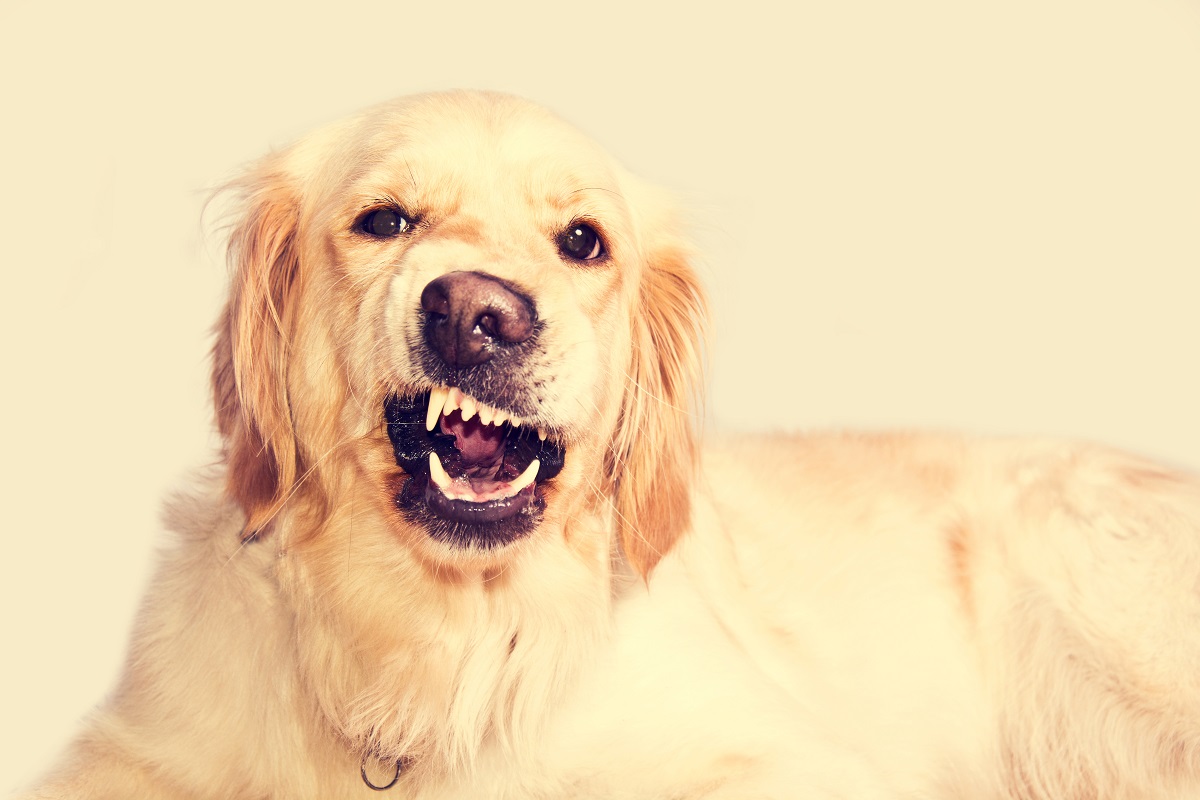
When a dog is showing aggression, they tend to adopt a stiff, rigid posture. They may tense their muzzle and curl their lips to expose their teeth.
However, dogs who simply want to play will have a loose, relaxed posture.
Both may growl. But whereas a low-pitched, guttural growl is a sign of aggression, a high-pitched, sharp bark is a sign of play.
How to Stop Your Puppy Being Aggressive
Before you can dial down your pup’s aggression, you need to identify the root cause.
Although any kind of aggression should be discouraged, different motivations need different treatment.
Consider factors like your pup’s age, whether the aggression is generalized or happens only around guests, and whether your puppy displays any other fearful or aggressive behaviors.
When it comes to training, you need to think about the big picture. It might be frustrating when your puppy starts demonstrating undesirable behaviors. But the problem is still the aggression, not the person or thing that’s causing it.
If you want to address the problem, you need to address the problem, period.
For instance, trying to stop your puppy from being aggressive on walks isn’t going to work if you let them get away with it at home.
Remember, dogs respond to consistency. So be mindful to keep working on discouraging negative behaviors (whether they’re aggressive or not) and encouraging positive ones.
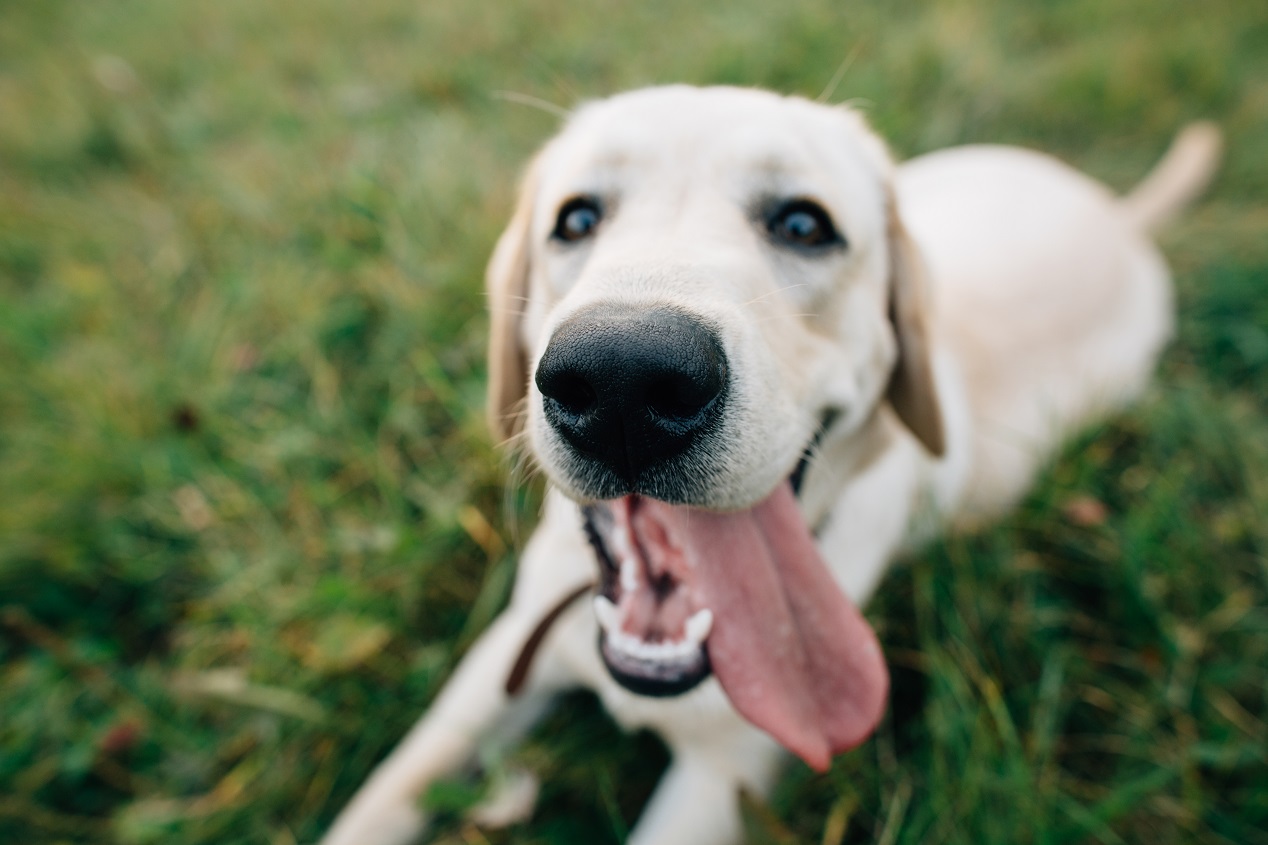
Avoid Provocative Games
Dogs can often become aggressive due to boredom or stress, so finding a new outlet for their energy is crucial.
Avoid playing games that encourage aggressive behaviors (roughhousing, etc). And stick to games that allow your puppy to let off some steam without engaging in any undesirable behaviors.
Dial Back Aggressive Play
If your puppy has a habit of becoming aggressive during play, you need to set boundaries of what is and isn’t acceptable.
To make things easier, avoid doing things that initiate aggression. Patting the sides of their face, playful nudges, or again, ‘roughhousing’ will just perpetuate the idea that aggression is part of the game.
If they do end up getting riled you while you’re playing, avoid escalating the situation. End the game and take a few minutes to let your puppy calm down and relax.
It may seem obvious, but it’s a sure-fire way to dial down the emotion.
Win Your Pup’s Mind
Here’s one of the most important lessons that can be summed up in a few simple words…
…” It’s about winning your pup’s mind first”
See, dogs come in all shapes and sizes.
Some are naturally mild-mannered and calm…
…Some can be a little overbearing at times.
…And some are just downright Crazy with a capital “C”
But the one thing they all have in common is they respect the pack leader.
Now, if you’re one of the lucky few, your puppy may already see you as the pack leader.
Other times, it may a little time and effort to steer them in the right direction.
And if you’re one of the very unlucky ones (as many are), getting your puppy to calm down is about as easy as getting a toddler to take a nap after 6 cans of Redbull.
But no matter what your situation, getting your puppy on the path to success will always come down to the same thing…
…Winning their mind.
Flashback to when I was a young inexperienced puppy parent.
It was one of the most stressful times of my life.
And here’s the thing…
It wasn’t that I was applying the wrong training techniques to my pup’s routine.
Far from it…
It was because I was missing the critical step of winning his mind first.
Once I got my head around this, everything instantly fell into place.
This is also why it’s a HUGE MISTAKE to train your dog without first getting to grips with this one core principle.
And it’s effortless once you know how to do it.
Anyway, if you want to hit the ground running and discover how to quickly win your pup’s mind and stop all those frustrating problems that have been driving you insane, check out K9ti’s free online puppy training workshop.
Not only will you discover how to win your pup’s mind. But you’ll also learn how to teach your puppy to control the natural impulses that trigger unwanted aggression.
Click Here To Watch The Free Workshop & Discover How To Finally Stop Your Pup’s Dangerous, Scary Aggression Problem… Using The Same Secrets The Pro’s Use To Train Service Dogs!
Here’s What You’ll Learn Inside This Free Workshop
In the free workshop, you’ll discover:
– The secret methods that service dog trainers use to housebreak dogs
So that your dog never has accidents inside your house ever again.
– How service dogs are trained to never bark out of excitement
Contrary to what many people believe, you CAN’T stop a dog from letting you know that someone has come to your front door – they are simply hard wired for it. Instead, find out the “QUIET WAY” that you can teach your dog so that it still gets to alert you to strangers – without barking even once.
– Why service dogs behave so well when walking on the leash without pulling
So that you can leash train your dog just like a service dog.
– How service dogs are trained to ALWAYS come when called
So that your dog too will come back to you the moment you say its name in the dog park or anywhere else (no matter what it might have been doing at that time).
– How the pros train their dogs to stop jumping on people
So that your dog learns to calmly greet people who come over to your house.
– The secret methods that service dog trainers use to train their dogs to tune out distractions
So that your dog stays calm and doesn’t react at all when passing by other dogs.
– How service dog trainers train their dogs mainly using body language
So that you can get your dog’s attention in public situations without having to raise your voice or use verbal commands.
– How service dogs do more than follow commands – they read their human partners in demonstrable and extraordinary ways
And how your dog can too!
– Why the training techniques that work on service dogs also work on dog breeds that are typically not thought of as service dogs
This means that these techniques will work on your dog even if it’s a breed – like a Chihuahua, Rottweiler, Akita, etc. – that is usually not considered a breed suitable for being a service dog.
Click Here To Watch The Free Workshop & Discover How To Finally Stop Your Pup’s Dangerous, Scary Aggression Problem… Using The Same Secrets The Pro’s Use To Train Service Dogs!
What Others Are Saying About The Free Workshop
“Guess what, my Chihuahua is completely housebroken now! I used to have so much difficulty getting Frankie to not do his business all over my house. I used your methods to housetrain him and it has worked wonders on him!”
– Amanda Silver from Glasgow, Scotland
———-
“I used your tips to start training my Yorkshire Terrier puppy Grace a few weeks after I got her. With just a few days of training, I have managed to get Grace to come when called and stop pulling on her leash.
She is also completely housebroken now. I am so happy I discovered your site. I have had other dogs in the past, but none of them were as easy to train as Grace has been thanks to your site.”
– Cassandra Wallace from Scranton, Pennsylvania
———-
“My beautiful Doberman Sophie was completely out of control. With your workshop, I learned how to make it obvious to her what was not acceptable.
And she got it too. Amazing results.”
– Gina Meyer (Sophie’s Mom) from Galveston, Texas
———-
“I rescued a 3.5 year old German Shepherd from the shelter a few months ago. The poor thing had not been trained properly by his previous owners and was quite aggressive and skittish and used to bark for no reason at all.
I came across your site while searching for ways to train him and am so glad I did. Thanks to your workshop, he is now a lot calmer and friendlier towards everyone and the barking has almost completely stopped now.”
– Matt Jenson from Rockford, Illinois
———-
“I wanted to pass along a sincere thank you for helping out so much in Milo’s first year. He is almost 2 now and incredibly well-behaved.
I am incredibly grateful for your guidance and help. Thank you again!”
– Christina Appleton from Buffalo, New York
Final Thoughts
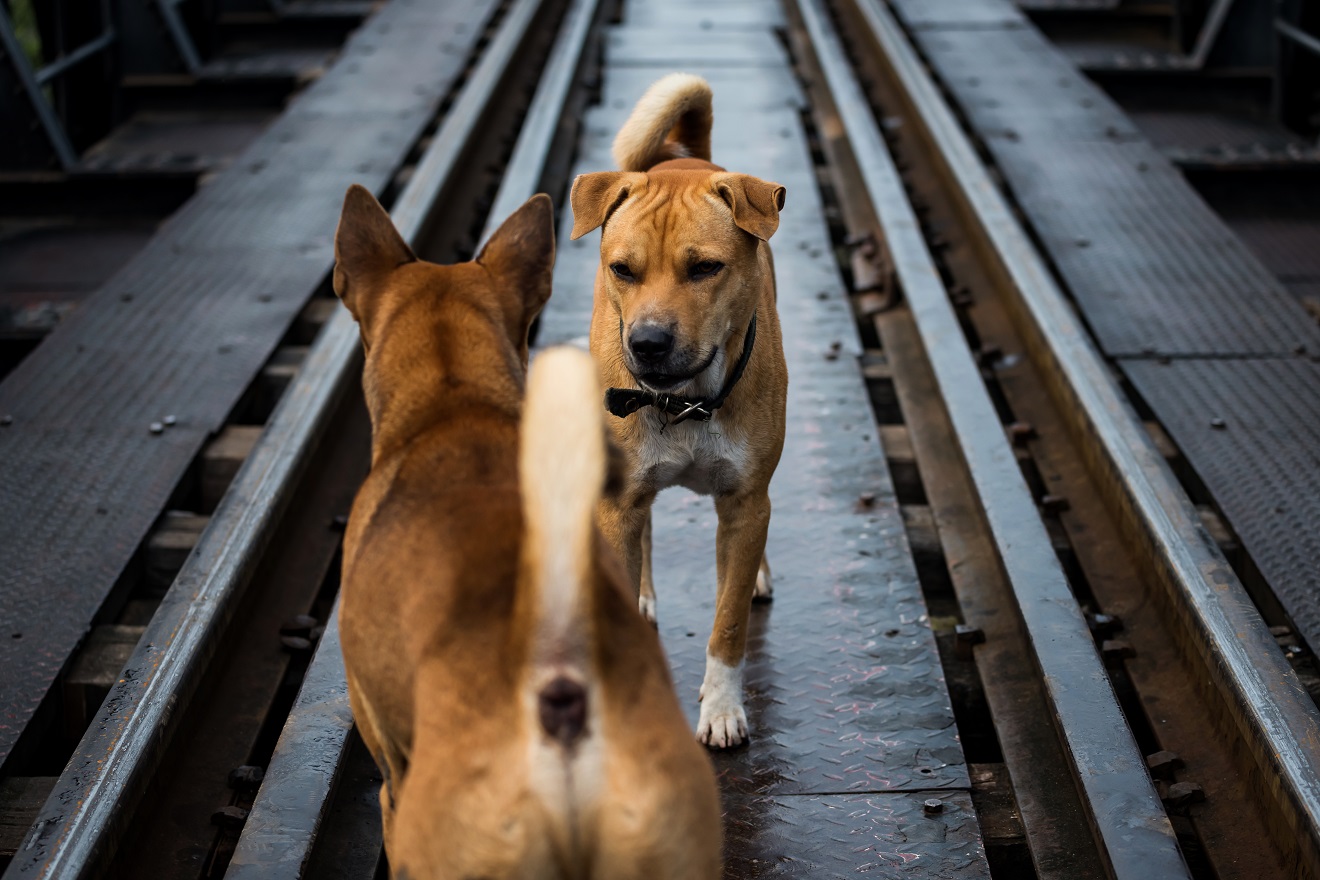
At the end of the day, a puppy that demonstrates the odd bout of aggression isn’t uncommon. But that doesn’t mean it’s ok to let it continue.
The sooner your puppy learns that aggression isn’t acceptable, the better it will be for everyone.
Not only does it decrease the risk of those mild aggressive traits turning into something more serious down the line. But it also makes it way less embarrassing around others.
Find the root cause and apply the solution. That might be easier said than done, but with a hefty dose of consistency and patience, you’ll get there
Want To Learn 3 Simple Techniques You Can Use RIGHT NOW To Stop Your Pups Dangerous, Scary Aggression Problem?
Let me ask you this…
- Is your pup’s aggression becoming just a little bit unpredictable?
- Do they obsessively snap and lunge at every opportunity?
- Are they always fighting, growling, or attempting to sink their teeth into other people or dogs?
- Are you scared they’ll cause serious injury to an unsuspecting victim?